







Search Results for: green bean inventory management
In-House Roasting Café Green Bean Sourcing and Inventory Management in Practice: Cost Control, Partnership Strategies, and Espresso Blend Bean Selection Guide
For a coffee shop that roasts its own beans, having the roaster in place is only the starting point; what truly determines the quality of the final product is the quality of the green beans and the roasting craft. Green bean costs often account for a significant proportion of initial operating expenses, so how to choose the right items, control inventory, maintain stable supply, and leverage peer cooperation to lower the threshold for acquiring specialty beans is a challenge every operator must face. Starting from the cost structure of green beans, this article sorts out the three major purchasing points for basic espresso blend beans, explores the value of establishing horizontal partnerships, offers practical suggestions for display and storage, and finally includes flavor descriptions of several Front Street espresso blend beans for coffee shops with different positioning to reference when selecting beans. [more…]
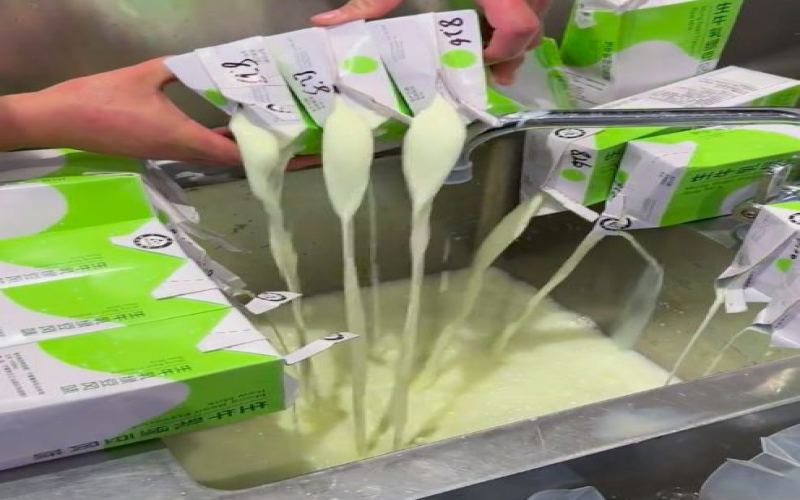
Luckin Coffee removes 8 drinks from menus at once, stores asked to dump unexpired ingredients, sparking heated debate
Luckin Coffee recently carried out a centralized removal of multiple drinks, involving products launched within the past six months such as Peach Peach Coffee and Jelly Coconut Latte. The brand required stores nationwide to pour all unopened, still-within-shelf-life ingredients down the drain after closing, sparking widespread discussion among employees and netizens. Some veteran employees have grown accustomed to this, while more people questioned that this handling method causes serious waste and called on the brand to adopt more reasonable ways to consume inventory. The incident reflects the contradiction between rapid product iteration and ingredient management in chain coffee brands. [more…]
Behind the Coffee Chain Price Hikes: Brazilian Bean Shortages and Logistics Woes, Inflation Costs Are the Main Culprit
Recently, chain coffee brands such as Starbucks, Luckin, and Tim Hortons have successively raised prices, sparking widespread consumer attention. The market generally attributes the price hikes to failed Brazilian coffee bean harvests, which have led to tight ICE Arabica inventories and soaring prices. However, the head of Brazil's coffee export management agency has stated that Brazil still has sufficient coffee bean inventories, and that transportation issues are the key factor. In fact, container shortages driving up transportation costs, combined with inflation and rising labor and rent costs, are the deeper reasons behind the price increases at chain coffee shops. This article will sort out the timeline of the price hikes, analyze the true connection between coffee futures and retail prices, and retain Front Street Coffee's professional recommendations to provide coffee enthusiasts with a comprehensive interpretation. [more…]

Luckin's alcohol-free beer series has been fully discontinued, with stores in multiple regions centrally destroying their inventory of raw ingredients.
Luckin Coffee's "Triumphant McCafé Series" non-alcoholic beer drinks, launched in collaboration with Havoc in Heaven, has been declared fully discontinued after a brief market trial. This limited-edition product, once promoted for "containing 90ml of non-alcoholic beer" and briefly trending on Weibo, ultimately led to significant inventory buildup in many stores due to lackluster consumer feedback and low repurchase rates. Before September 30, all stores are required to destroy all beer ingredients on their own, and social platforms have once again seen spectacular scenes of employees collectively pouring out the drinks. This article will review the entire process of the series from its high-profile launch to its quiet exit, analyzing the challenges and helplessness that fast-moving consumer chain brands face in product lifecycle management. [more…]

South America Hit by Dual Blow of Drought and Wildfires: Colombia's Coffee Production Declines, Inventories Dwindle, Exports Under Pressure as Prices Rise
A drought and forest fires lasting for months are sweeping across South America, and Colombia has not been spared. Forests in many places have been burned, water sources are running dangerously low, the water level of the Amazon River has plummeted, and Cauca Department has suffered its worst fires in nearly three decades, with large numbers of coffee crops damaged. Water rationing policies have left coffee farmers in a dilemma: insufficient irrigation affects yields, while exceeding water limits brings fines. The latest data show that Colombia's coffee production had fallen to 1.05 million bags in August, with inventories down 7.2% month on month. As the world's third-largest coffee-producing country, declining output and inventories are pushing up international coffee prices. [more…]

Luckin Coffee halts the viral "all-ice, no-water, domed-lid swap" ordering hack: a clash between standardized management and personalized demands
Recently, Luckin Coffee halted the viral social media ordering hack known as "all ice, no water, swap to dome lid," sparking heated discussion among consumers. This drinking method, which replaces still water with ice cubes and swaps the flat lid for a dome lid, makes the beverage richer in flavor and more photogenic, and was once imitated by many netizens. However, because this operation falls outside standardized procedures and causes confusion in store inventory between flat lids and dome lids, the company has issued a notice prohibiting stores from continuing to make it. Some consumers believe the brand should adapt its products to meet demand, while others understand the necessity for chain brands to maintain standardized operations. This debate over the balance between personalized customization and store management is worth the attention of coffee enthusiasts. [more…]

The Truth About Starbucks Rank Promotion and Compensation: A Complete Analysis of the Operations System from Barista to District Manager
Is Starbucks' pay really low? Is the promotion path truly so long? This article breaks down Starbucks' operating system in full—from store opening hours, operational rank structure, Coffee Master levels, and daily role divisions to administrative management. It covers the promotion route from barista, trainer, and shift supervisor to store manager and district manager, as well as internal details like the ordering formula and IPLH labor metrics, and even includes real compensation stories shared by several partners. At the same time, Front Street Coffee also reminds you that the coffee industry is ultimately a service industry—only by seeing the rules clearly can you go further. [more…]
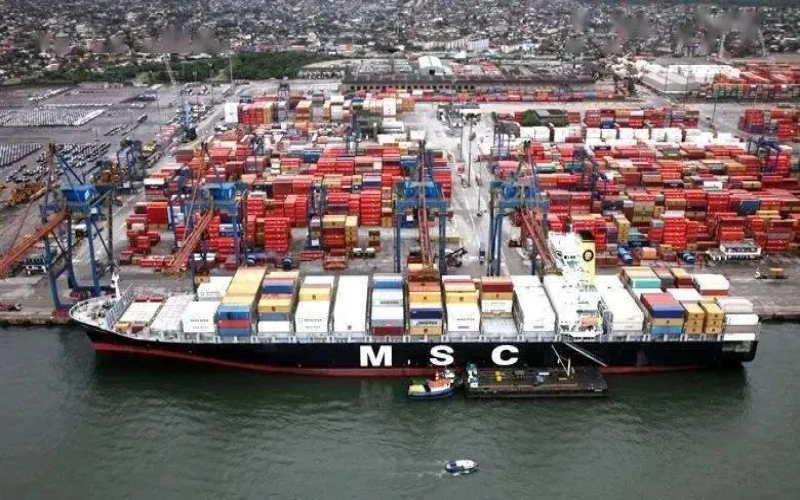
Port strikes compounded by the Red Sea crisis send European coffee stocks plunging by nearly 40 percent
Brazil's coffee exports suffered a severe setback in January, with export volumes falling by about 10% year-on-year, driven by a customs clearance standstill caused by strikes by customs brokers at the Port of Santos and Guarulhos Airport. At the same time, coffee stocks at major European ports are rapidly dwindling, with inventories in December 2023 down 37.9% from the start of the year. The pressure of the EU Deforestation Regulation transition period combined with the Red Sea shipping crisis is creating a compounding effect, prompting traders to scale back imports, container freight rates on Asia-Europe routes have soared by 150%, and coffee deliveries from Asian producing regions are facing delays of up to three weeks. Multiple factors are reshaping the global coffee trade landscape, and supply chain pressures are unlikely to ease in the short term. [more…]
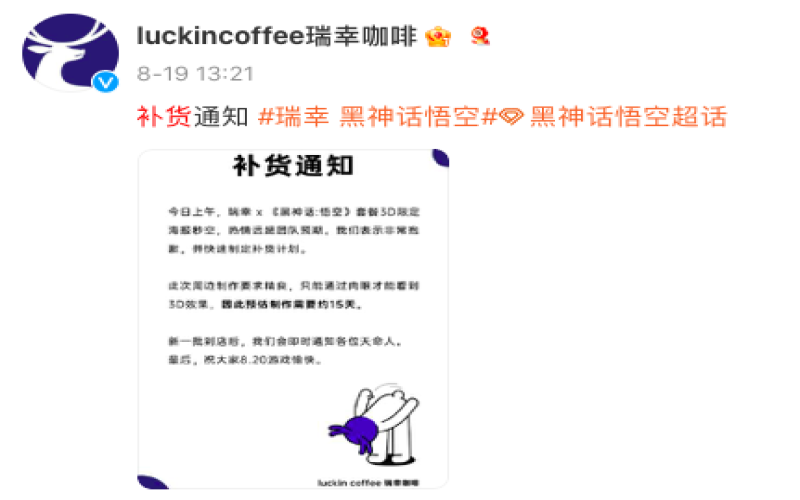
Luckin's co-branded merchandise restock accused of passing off old stock as new, consumers question hunger marketing strategy
Luckin Coffee's collaboration with "Black Myth: Wukong" ignited the market, with the lenticular card posters selling out rapidly and sparking consumer dissatisfaction. After the official promise of restocking within 15 days, some stores gradually received new supplies, but customers discovered that the production date on the newly arrived posters was July 15, the same as the first batch, raising questions that the brand was passing off old inventory as restocked goods, which once again triggered discussions about Luckin's marketing strategy. The incident exposed multiple issues in the supply chain and inventory management of collaboration merchandise, and also made consumers doubt the brand's sincerity. [more…]

Invalid Frappuccino Zongzi Vouchers Ignite In-Store Conflicts, Leaving Consumers and Staff in Jiangsu, Zhejiang, and Shanghai Under Pressure
During this year's Dragon Boat Festival, several Starbucks stores in the Jiangsu-Zhejiang-Shanghai region ran short of Frappuccino Zongzi (sticky rice dumplings), leaving customers holding redemption vouchers unable to collect their goods as scheduled. At some stores, heated arguments broke out between customers and staff. Some employees were reduced to tears by verbal abuse, while other customers threatened to call the police or expose the situation. Starbucks responded that it had made every effort to meet redemption demand, but some consumers remained dissatisfied with the compensation package. This supply-demand conflict triggered by a zongzi shortage reveals deeper issues in the brand's allocation and inventory management of seasonal products. [more…]
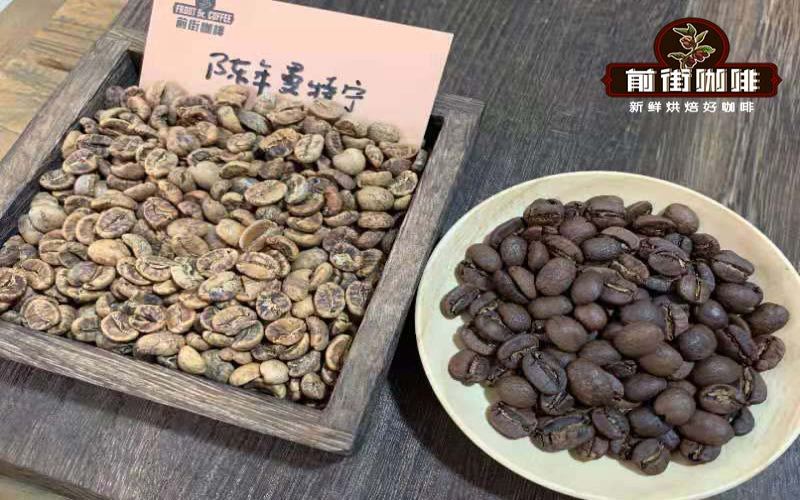
Indonesian Aged Mandheling: The Unique Processing Coffee Beans Sculpted by Time and the Origins of Their Flavor
In Indonesia, there is a type of coffee bean that is not pursued for freshness, but rather through storage lasting several years, allowing the green beans to naturally age in a cool, ventilated environment, thereby acquiring a completely different flavor—this is Aged Mandheling. Its emergence is linked to the history of early long shipping voyages, when coffee drifted at sea for months, and today it has evolved into a specialized processing method. Aged beans undergo changes in acidity, color, and texture, and warehouse management requires strict control of temperature and humidity along with regular turning to avoid mold and spoilage. Aging is not a way to deal with unsellable inventory, but a unique product created by producing regions according to specific procedures. At the same time, if you prefer fresh, high-quality Indonesian coffee, Front Street Coffee PWN Golden Mandheling has undergone four rounds of manual sorting, reaching G1 grade, with a clean and bright flavor, and is worth trying. [more…]

Jasmine Naibai Hello Kitty Collaboration Merchandise Sells Out, Sparking Customer Dissatisfaction; Police Advise Using Complaint Channels
Molly Tea has teamed up with Hello Kitty to launch limited-edition drinks and merchandise, drawing a flood of fans who raced to snap them up the moment sales opened. Yet once the promotion began, consumers in many cities reported that their payments went through but they never received the merchandise, and some stores even canceled orders without any notice. Customers who showed up to collect their orders were told the merchandise was first come, first served and would be given out only while supplies lasted, leaving some people to make the trip for nothing. As frustration mounted, disputes between customers and staff broke out at some stores, prompting calls to the police; officers advised those affected to defend their rights through channels such as 12315. The collaboration drew widespread complaints because of problems with merchandise inventory and order management. [more…]
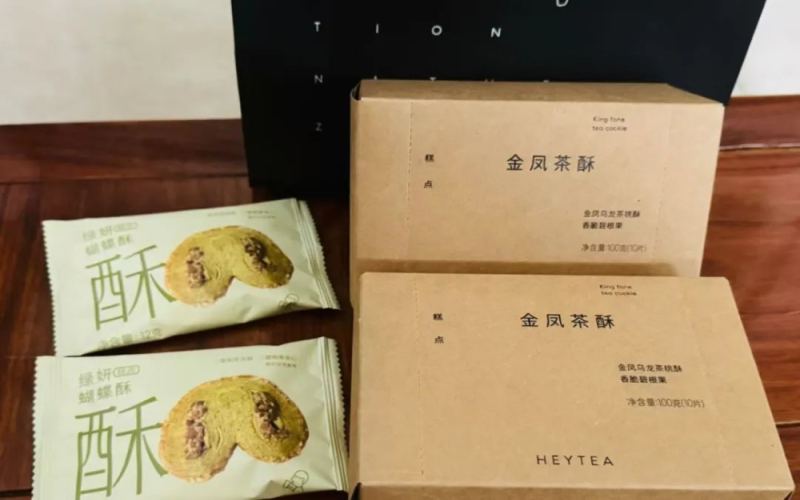
Heytea's Golden Phoenix Tea Pastry buy-one-get-one-free promotion sold out as soon as it started, and consumers are questioning the stores' stock arrangements.
Heytea today launched a limited-time buy-one-get-one-free promotion for its Golden Phoenix Tea Pastry, but as soon as the promotion began, a large number of consumers found that the promotion link showed it was sold out, while the non-promotion link for the same product could still be ordered normally, sparking confusion and dissatisfaction. This is not the first time Heytea has run into controversy over a buy-one-get-one-free promotion. Last week's matcha buy-one-get-one-free offer also led to multiple stores removing the item due to insufficient materials. Is it insufficient inventory preparation, or differences in store operating strategies? This article sorts through the course of events and the accounts from all sides to get to the bottom of it. [more…]

Luckin stores concentrate on destroying Coconut King series ingredients, behind the full delisting of the third anniversary limited edition products
It is not uncommon for chain coffee brands to destroy inventory in bulk due to expired ingredients or quality issues, but what Luckin recently discarded on a large scale was a batch of coconut royale series ingredients that were still within their shelf life. This pink liquid was not spoiled, but rather the normal color of the third-anniversary limited-edition product. From the April collaboration with Pop Mart that triggered a buying frenzy, to now going days in stores without selling a single cup, the fate of the coconut royale series reflects the harsh reality after a new product's hype fades. Front Street Coffee notes that this incident has also sparked consumer discussion about product lifecycles and inventory management. [more…]
Global Major Coffee Producing Regions Flavor Inventory: Taste Characteristics from Brazil Santos to Jamaica Blue Mountain
The flavor map of coffee is inextricably linked to its place of origin. From Brazil, the world's largest producer, to Jamaica, renowned for Blue Mountain; from the rich, full-bodied character of Indonesian Mandheling to the fruity acidity of Ethiopian Mocha, every producing region shapes a highly distinctive cup profile through its unique terroir and processing methods. This article systematically reviews the coffee characteristics of major origins—including Brazil, Colombia, Mexico, Hawaii, Indonesia, Costa Rica, Angola, Ethiopia, Jamaica, Kenya, Yemen, Peru, and Guatemala—analyzing their flavor tendencies, grade structures, and market positioning, to help coffee enthusiasts build a clear framework of origin knowledge when selecting and blending beans. Front Street Coffee will also draw on regional characteristics to offer reference ideas for everyday brewing. [more…]
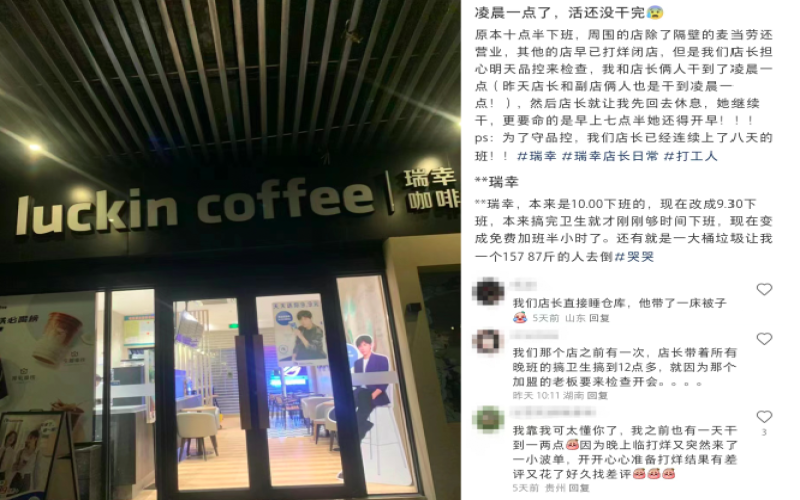
To cope with quality control inspections, Luckin employees frequently work unpaid overtime, leading to dissatisfaction over the mismatch between hours and pay.
In the coffee chain industry, standardized store operation management often brings additional execution pressure. Recently, some Luckin Coffee employees reported that in order to prepare for surprise inspections by the quality control department, night shift staff still have to stay after their regular shift to do deep cleaning, and if the inspection does not come the next day, the whole process must be repeated, with some even still busy in the store in the early morning. Since the March 31 incident, some stores have reduced staffing, and the closing tasks originally shared by two people have fallen on one person, yet overtime work rarely comes with corresponding overtime pay. In addition, the system keeps pushing clock-in reminders during off-duty hours, further increasing employees' anxiety. Some employees pointed out that when they leave their posts to count inventory, they are defaulted by surveillance as taking a break, causing their actual meal time to be invisibly encroached upon. Under the combined effect of various factors, unpaid overtime and working-hour calculation issues are becoming the main troubles for frontline employees. [more…]
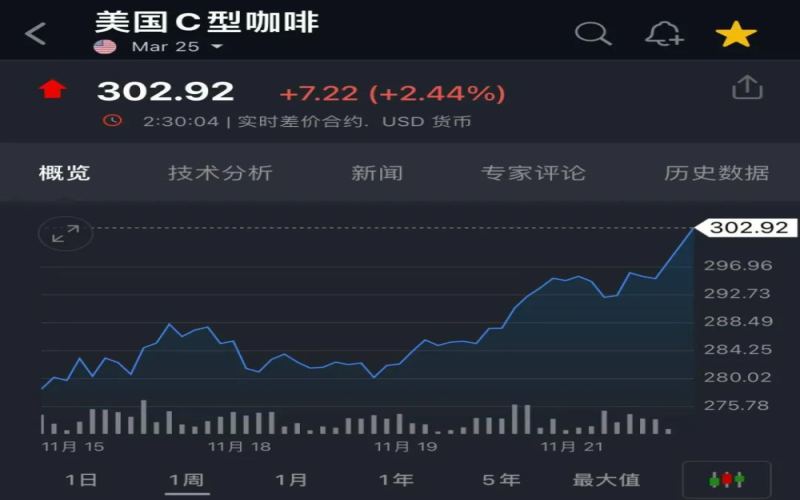
Coffee futures break through 300 cents to a 13-year high, with Brazilian drought and tight inventories as the main drivers
Recently, U.S. C-type coffee futures prices have been climbing steadily, breaking through the 300 cents per pound mark, touching an intraday high of 303.93 cents, and finally closing at 302.92 cents, setting a new 13-year record and simultaneously driving Robusta coffee futures higher. The core driver of this rally comes from the USDA Foreign Agricultural Service (FAS) sharply lowering its forecast for Brazil's 2024/25 production to 66.4 million bags, a 5% reduction from the previous USDA estimate of 69.9 million bags. Combined with multiple factors including Brazil experiencing its worst drought since 1981 and inventories shrinking 26% year-on-year, market concerns over global coffee supply continue to intensify. Producing countries such as Honduras have also seen reduced output due to adverse weather, further exacerbating the tight supply situation. [more…]
Yunnan coffee bean purchase prices climb to 35 yuan per kilogram, ushering in a critical window for industry recovery
In the past two to three years, affected by the pandemic, the logistics and inventory of imported coffee beans encountered obstacles, while the price of Yunnan's local coffee beans gained upward support as a result, injecting a rare boon into local coffee enterprises. Looking back ten years, Yunnan coffee bean prices were depressed for a long time, and growers' confidence was shaken. Today, the purchase price of 35 yuan/kg has broken through historical levels. Hu Lu, deputy secretary-general of the Yunnan Coffee Industry Association, pointed out that this price is undoubtedly a shot in the arm for the Yunnan coffee industry, which is in a winter period. If this price level can be stably maintained for three to five years, the whole province is expected to set off a new round of planting enthusiasm. At the same time, the market expects this round of increases to continue until June or July, when Brazil and Colombia enter their harvest seasons, and changes in output may trigger a new round of fluctuations. Front Street Coffee reminds enthusiasts to pay attention to developments in producing areas and to grasp the dual changes in flavor and price. [more…]
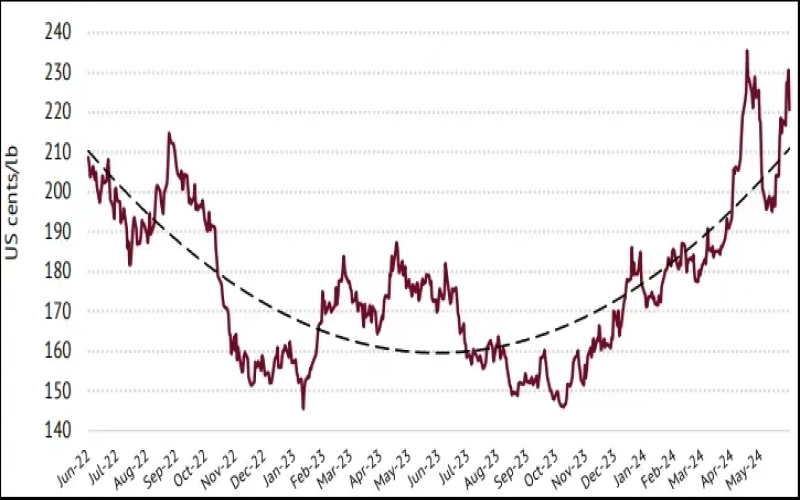
International Coffee Organization May Report: Global Coffee Production Expected to Reach 178 Million Bags, Composite Price Edges Down
The latest monthly report from the International Coffee Organization (ICO) shows that the average composite indicator price for coffee in May was 208.38 cents per pound, down 3.9% month-on-month. Easing drought in Vietnam and dry weather in Brazil favorable for harvesting, combined with supply uncertainty in Central America and the depreciation of the real, intertwined to affect price trends. Global coffee inventories increased substantially, with green bean exports in April rising 15.3% year-on-year, among which Brazil's exports grew strongly by 54.8%. The ICO expects global coffee production in the 2023/24 crop year to rise 5.8% to 178 million bags, while consumption demand will grow 2.2% to 177 million bags, with the market showing a trend of simultaneous growth in both supply and demand. [more…]
The Forgotten Large-Bean Liberica: Can Excelsa Coffee Become a New Choice in a Warming Climate?
Today, when Arabica and Robusta absolutely dominate global coffee supply, a species once forgotten for its poor flavor—Liberica (Coffea liberica)—is re-entering researchers' view. From 2021 to 2022, climate change-induced droughts tightened coffee inventories and sent prices soaring, with Arabica prices doubling in a short period. Facing the crisis of shrinking arable ranges, academia proposed three paths: relocating production areas, adjusting cultivation methods, and developing new crops. In December 2022, Nature Plants pointed out that Liberica might regain attention in an era of supply chain disruptions. One of its natural varieties, Excelsa, combines disease resistance, drought tolerance, low-temperature tolerance, and a flavor close to Arabica, and is being widely planted by coffee farmers in places such as Uganda. Front Street Coffee takes you through the full picture of this potential variety. [more…]